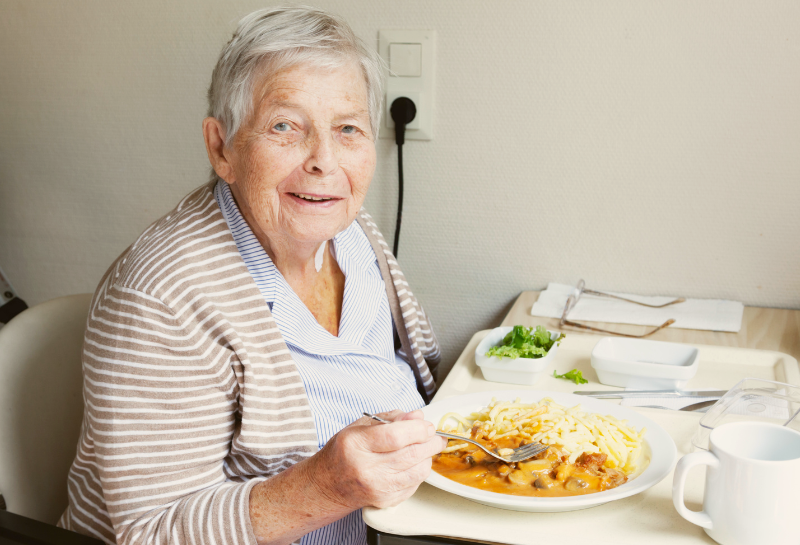
As people age, maintaining proper nutrition becomes increasingly important for overall health, well-being, and independence. For seniors, access to nutritious meals is not just about food—it’s about preserving their health, reducing the risk of chronic illnesses, and enhancing their quality of life. At DuPage Senior Citizens Council (DSCC) and Kane Senior Council (KSC), we recognize the critical role that food and nutrition play in supporting seniors and their caregivers.
As official Meals on Wheels program providers, DSCC and KSC are proud to participate in
March for Meals, Meals on Wheels America’s annual awareness campaign held every March to highlight senior hunger and food insecurity. The campaign calls attention to the importance of community-based programs like Meals on Wheels in ensuring that no senior is left hungry or isolated.
Why Nutrition Matters for Seniors
Aging brings unique dietary challenges. Seniors often experience changes in metabolism, appetite, and nutrient absorption, making it more difficult to get the nourishment they need. Certain health conditions, medications, and physical limitations can further impact their ability to maintain a balanced diet. Without access to nutritious meals, older adults face an increased risk of malnutrition, which can lead to weakened immune systems, muscle loss, and higher susceptibility to illness or injury.
Proper nutrition can:
- Support immune function and overall health
- Reduce the risk of chronic diseases like diabetes, heart disease, and osteoporosis
- Improve cognitive function and mental well-being
- Help maintain strength and mobility, reducing the risk of falls and hospitalizations
Despite the importance of good nutrition, many seniors struggle to access and prepare healthy meals. Limited mobility, financial constraints, and social isolation can all contribute to food insecurity, making meal programs essential for supporting older adults in our communities.
How DSCC & KSC Support Senior Nutrition
At DSCC and KSC, our food programs are designed to address these challenges by providing seniors with reliable access to nutritious meals that support their health and independence.
Home Delivered Meals: As part of the Meals on Wheels network, our Home Delivered Meals program ensures that seniors who have difficulty shopping or cooking receive nutritious, balanced meals right at their doorstep. More than just a meal, these deliveries provide a vital wellness check and friendly interaction with volunteers who care.
Community Dining: Social connection is just as important as nutrition. Our Community Dining program offers seniors the opportunity to enjoy meals in a welcoming environment, fostering friendships and reducing social isolation.
Caregiver Support: Caregivers play a crucial role in helping seniors maintain proper nutrition. Through education and resources, we help caregivers understand the dietary needs of their loved ones and provide guidance on meal planning and preparation.
Volunteer Engagement: Our programs thrive because of dedicated volunteers who help prepare, package, and deliver meals, ensuring that seniors receive the nutrition and care they need. Volunteering in these programs is a rewarding way to give back to the community while making a tangible difference in the lives of older adults.
March for Meals: Raising Awareness & Taking Action
Every March, Meals on Wheels America leads the March for Meals campaign to bring attention to the growing need for senior meal programs. The campaign encourages individuals, businesses, and local organizations to support Meals on Wheels programs like DSCC and KSC through volunteerism, donations, and advocacy.
For over 50 years, Meals on Wheels programs across the country have played a vital role in fighting senior hunger and isolation. With the senior population growing, the demand for meal services continues to increase. March for Meals is a time to rally together and ensure that every senior has access to the nutrition and support they need to live independently.
Nutrition as a Path to Independence
Proper nutrition isn’t just about the immediate benefits of a healthy meal—it plays a long-term role in helping seniors maintain independence. Well-nourished seniors are more likely to stay active, manage chronic conditions, and live in their own homes longer. The support provided by DSCC and KSC helps bridge the gap between food insecurity and well-being, ensuring that seniors have access to meals that sustain both their bodies and their independence.
How You Can Help
The impact of food and nutrition on seniors extends beyond those receiving services—it affects families, caregivers, and entire communities. There are several ways to make a difference, especially during March for Meals:
- Volunteering to deliver meals or serve at a community dining site
- Donating to support meal programs for seniors in need
- Advocating for senior nutrition programs to ensure continued funding and support
At DSCC and KSC, we believe that no senior should have to worry about where their next meal will come from. Through our meal programs, caregiver support, and volunteer network, we are committed to ensuring that seniors receive the nutrition, care, and connection they need to thrive.
This March, as we join Meals on Wheels America’s March for Meals campaign, we invite you to be part of this movement. Whether you volunteer, donate, or help spread the word, your support ensures that seniors in our community continue receiving the meals and companionship they rely on.
If you’d like to learn more about how you can support senior nutrition in our community, visit our website or contact us today.
Together, we can make a lasting impact on the health and well-being of older adults.